Four factors to consider
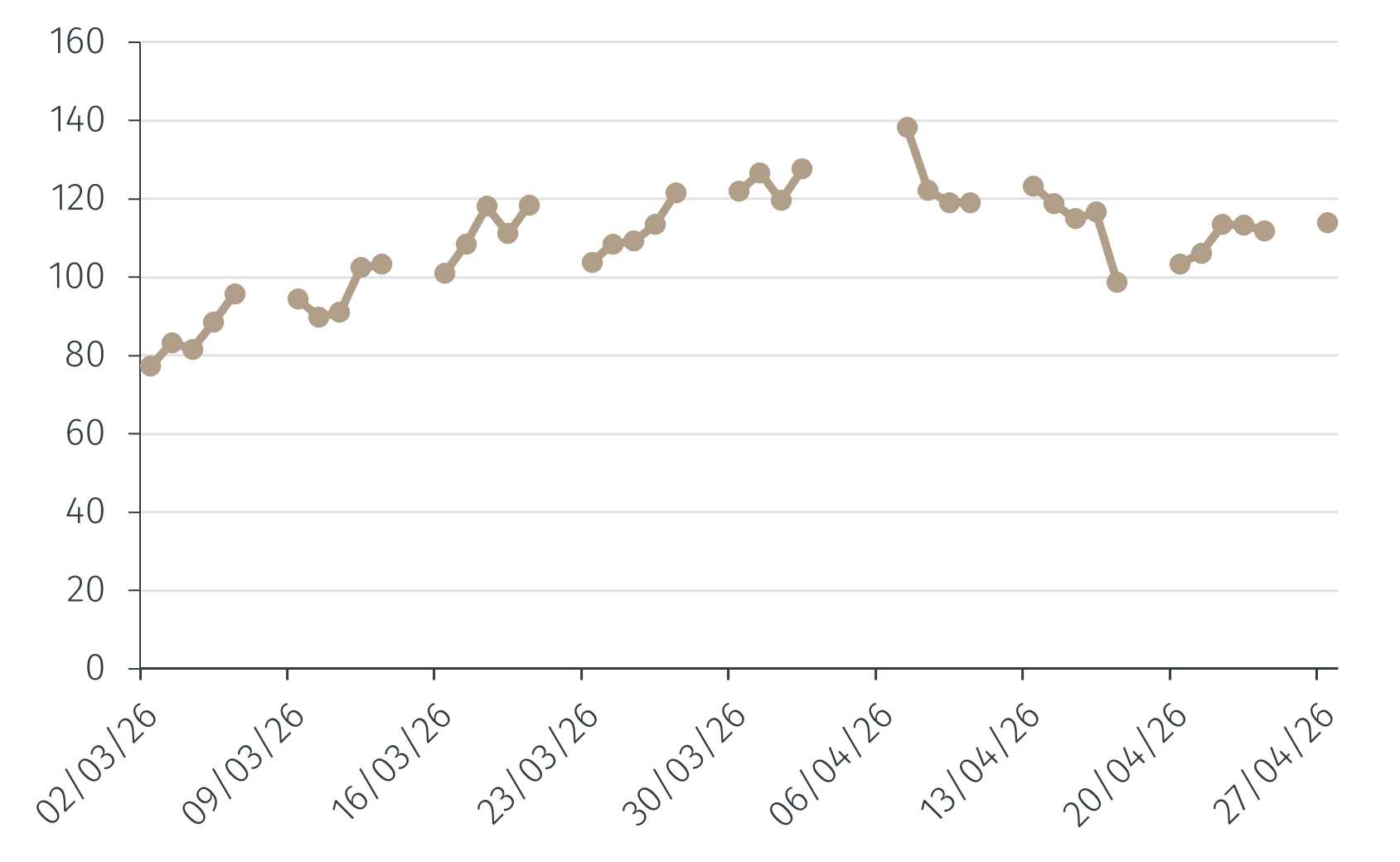
The first additional consideration is the unusually high degree of uncertainty surrounding the energy shock. Oil prices rose sharply when the conflict in the Gulf began but have until very recently fluctuated in a range of roughly 90 to 110 dollars per barrel. Earlier concerns that prices might rise to a new plateau of 130 or even 150 dollars per barrel have not materialised. This suggests that the largest part of the increase may already have occurred, although there is considerable uncertainty about how long prices will remain at current levels. As long as that remains unclear, there is a strong case for caution.
The second factor is the stagflationary nature of the shock. Higher energy prices push inflation higher, but they also reduce real incomes and weaken demand. This creates a difficult trade off for monetary policy. Tightening can help contain inflation, but it risks amplifying the slowdown. Holding policy steady supports activity, but it may allow inflation to remain above target for longer. Before it becomes clear which effect is more important, central banks may hesitate to change policy.
A third consideration concerns the role of policy signalling. Some argue that central banks should act early to demonstrate vigilance and anchor expectations, particularly after the inflation surge in 2021–22. However, there is limited support for this approach at present. The prevailing view is that policy should respond to the macroeconomic outlook rather than attempt to influence perceptions in the absence of clear evidence. Acting without a firm basis risks reducing the clarity and credibility of policy.
Finally, central banks are mindful of the risks associated with a premature policy change that may have to be reversed. A rate increase followed shortly by a cut would not only be seen as an error, it could also weaken the transmission of monetary policy. Longer-term interest rates depend on expectations of the future path of short-term rates. If markets come to believe that policy changes are temporary, their effect on financial conditions will be limited. This strengthens the case for waiting until the outlook is better understood and policy moves are less likely to be undone.
Conclusion
In sum, the decision to hold rates reflects both the incoming data and a wider set of strategic considerations. These central banks are not dismissing the risk of more persistent inflation. Rather, they are waiting for clearer evidence on how the energy shock will evolve and how it will affect the economy. Once that evidence emerges, policy is likely to be adjusted, perhaps quickly. For now, the threshold for action remains high because policymakers are not yet convinced they fully understand the shock.