Sustainability and the integration of ESG factors in investing have been an important topic for the Swiss financial centre for quite some time. We are now witnessing a political backlash against ESG in certain jurisdictions – a passing phenomenon or a real challenge to sustainability going mainstream?
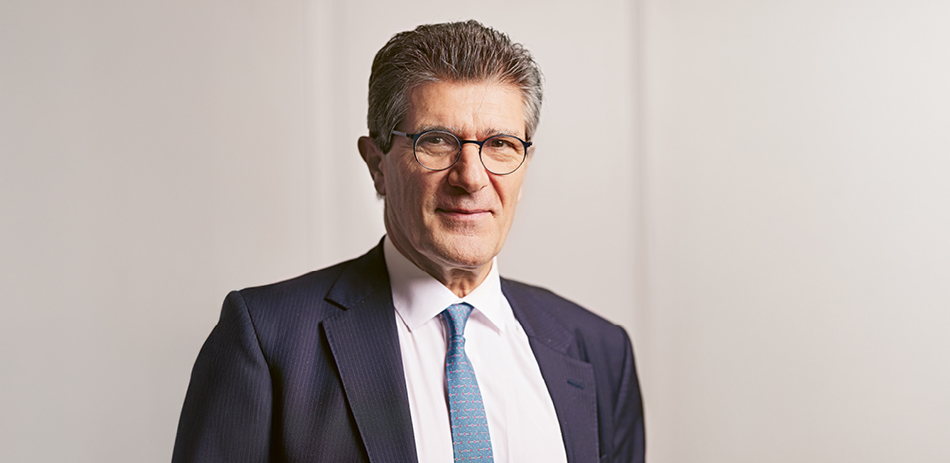
Patrick Odier: The recent backlash against ESG should not be dismissed but it should not be misunderstood either. As an avid sailor, I believe the best manoeuvring potential can be found in headwinds. And despite political headwinds, the sustainability transition has become more established than ever because it is led not by policy or ideology but by economics. The world is changing and for investors, now is a time for conviction.
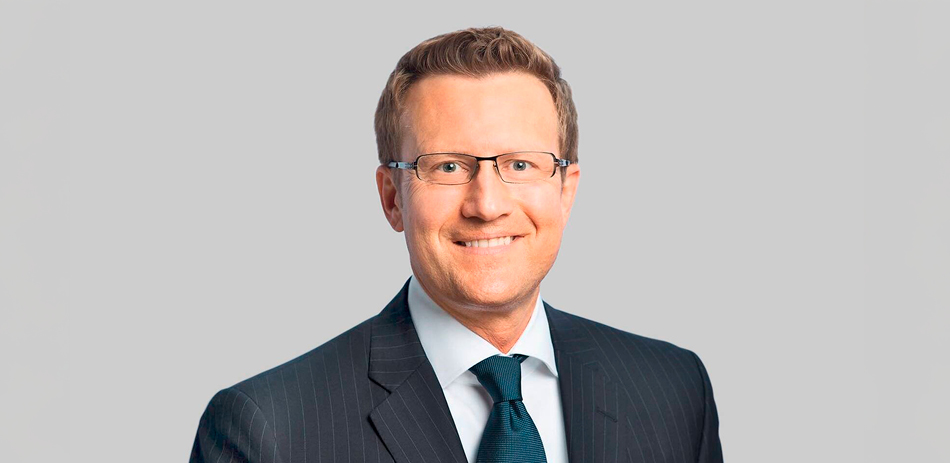
Manuel Rybach: It is true that ESG is under pressure in terms of politics, policy and regulation – especially in the US. But even in the EU, long a sustainability frontrunner, policy priorities have readjusted recently. The publication of the EU’s Omnibus Simplification Package is prompting many companies, including banks, to reconsider their climate and ESG targets and disclosures. Nevertheless, the net-zero transition, as a secular trend, will continue, with banks playing a key role in building a more sustainable economy.
How important are events such as Building Bridges – the flagship sustainable finance conference – in fostering a sustainability mindset among participants from different industries?
Patrick Odier: Since its inception in 2019, Building Bridges has become a core initiative in the sustainable finance landscape. It has helped anchor Switzerland as a global hub where finance, policy, development and civil society not only converge geographically but collaborate meaningfully. Over the past six years, Building Bridges has grown into a powerful convening platform, bringing together a highly engaged and diverse community of around 2,500 participants annually. It has also served as a launchpad for major initiatives, including NatureFinance, the Taskforce on Nature-related Financial Disclosures (TNFD) and the Swiss Platform for Impact Investing. In short, in a world fatigued by rhetoric, Building Bridges offers something concrete: Rigour, innovation and the belief that finance, done with purpose, can help address the world’s most pressing challenges.
Manuel Rybach: As a platform for dialogue across stakeholder groups, Building Bridges is of key importance. Sustainability topics such as the climate transition, workforce resilience or business conduct remain high on the agenda across industries – from energy to finance. For example, for financial institutions, climate risks are a pressing issue in the face of global warming and extreme weather events. Narratives that emphasise the opportunities related to sustainable investing while considering affordability, national interests and other political considerations, will be key. Multi-stakeholder conferences such as Building Bridges can play an important role in this context.
We are on the cusp of the greatest intergenerational wealth transfer in history. How do you expect this movement of assets to influence the future of sustainable finance?
Manuel Rybach: There is evidence that values and priorities have changed and that the Next Generation is more interested in sustainable, purpose and impact-driven investing. In this respect, the “Great Wealth Transfer” could indeed signal a new era in sustainable investing. Since sustainability is a top concern for the Next Generation, interest in offerings that consider sustainability aspects is likely to continue.
Patrick Odier: The generational shift in wealth is also a shift in expectations. Younger investors are increasingly looking for more than just financial returns, and this change is already reshaping investment preferences and is pushing the financial industry to respond with greater transparency and innovation, in alignment with long-term sustainability goals. This is not just about the movement of wealth; it is also a profound cultural and behavioural change. Private banks must support families in navigating this transformation, not only by preserving assets but by helping to allocate capital towards strategies that reflect the evolving priorities of a new generation.
What advice would you give to wealth holders to ensure their family legacy is preserved?
Patrick Odier: My advice is to take the time to clearly define the values that have guided their success – values that the Next Generation can carry forward. They should articulate them, write them down and ensure they are well understood by their children or grandchildren. Establishing clear governance structures around the family’s wealth and interests is also essential; this is about clarifying roles and responsibilities, defining decision-making processes and establishing mechanisms for conflict resolution. It is also important to actively involve the Next Generation, not just as the future recipients of wealth but as co-creators of the family legacy. This includes asking them about their passions, their sense of purpose and how they see their own role in society.
And your advice to members of the Next Generation?
Patrick Odier: Be curious! Ask your parents and grandparents about their experiences and vision for the future. Open dialogue fosters continuity and meaning. And my recommendation to both generations would be: Align your investments with your shared values and work together on projects. A family’s legacy should not just reflect where it comes from but also where it wants to go.
Manuel Rybach: Be international! Personally, I’ve always benefitted greatly from going abroad, from living, studying and working in foreign countries and from thus being exposed to different cultures and approaches. I was privileged and lucky enough that my studies and work gave me the opportunity to live in Paris, Washington, DC, New York, Singapore and Hong Kong in addition to my native Switzerland. I highly recommend that young people, if they are able and inclined to do so, take advantage of any opportunity to broaden their horizon by going abroad.