10. IPOs and M&A activity: Multiple sectors set to benefit

Currently reading

10. Monetising uncertainty: Hedge fund strategies for a fragmented cycle

Market Opportunities

4 min read

10. Monetising uncertainty: Hedge fund strategies for a fragmented cycle

Key takeaways

  • Macro volatility, policy divergence and equity dispersion will be important factors in the year ahead.
  • A year of resilient global growth with elevated energy and geopolitical risks could offer opportunities.
  • A mix of strategies should be better placed to capture the different ways in which uncertainty translates into returns, while reducing reliance on any single market regime.

Hedge fund returns will be driven less by simple market exposure (‘beta’) in 2027 and more by how effectively managers harness macro volatility, policy divergence and equity dispersion. Against a backdrop of resilient but more uncertain global growth, elevated geopolitical risk and ongoing AI-driven sector shifts, we see three strategies as central to portfolio construction: systematic trend-following commodity trading advisors (CTAs), global macro and equity market-neutral.

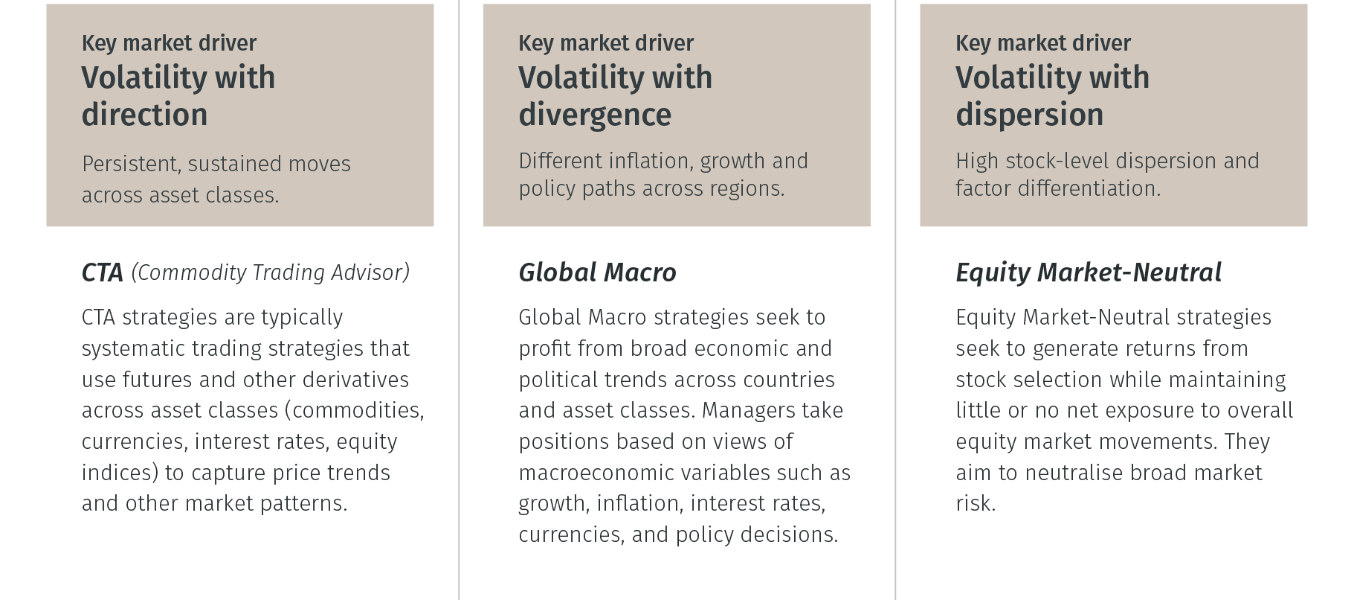
Figure 25. Guide to hedge fund strategies

02_EFG_Outlook_2027_EN_Charts_Website__Figure25_Source.png

1. Systematic trend-following CTAs
Systematic trend‑following CTAs are well placed to benefit from persistent moves in interest rates, currencies, commodities and equity indices, particularly if policy paths across major central banks remain divergent and geopolitical tensions continue to drive sustained shifts in energy and commodity prices.

Their main strength is the ability to capture extended directional trends across asset classes with relatively little reliance on the direction of equity markets, offering diversification if the equity backdrop deteriorates or if macro shocks propagate through rates and currencies rather than corporate earnings. In a best‑case 2027 scenario for CTAs, inflation and growth paths diverge meaningfully across regions, energy prices remain volatile but trend in identifiable directions, and policy cycles in rates and currency evolve in a way that creates clear, sustained trends; in that environment, CTAs can monetise cross‑asset moves and provide strong returns with genuine diversification.

2. Global macro
Global macro strategies should find a rich opportunity set in 2027, with varied inflation, growth and monetary policy paths across major economies, and geopolitics driving meaningful dislocations in energy, commodities, currencies and rates.

Their core advantage lies in flexible cross‑asset positioning: discretionary managers can express views on relative value and direction across interest rate curves, currency pairs, commodity groups and equity indices, and can adapt positioning as macro narratives evolve, potentially turning policy divergence and geopolitical events into multiple return drivers.

Manager dispersion (the gap between the best and worst performers) is likely to remain high, with outcomes heavily dependent on timing, risk management and the ability to distinguish genuine regime shifts from transient noise.

In a best-case 2027 scenario for macro funds, the macro environment remains noisy but directional: inflation and growth paths diverge, policy cycles in the US, Europe, Japan and key emerging markets move on different timelines, and geopolitical developments in energy and trade create sustained dislocations; in that setting, skilled macro managers can exploit cross-market divergence and deliver strong, uncorrelated returns.

“ CTAs need volatility with direction, macro needs volatility with divergence, and market-neutral needs volatility with dispersion.... ”

3. Equity Market-Neutral
Equity market-neutral strategies are positioned to benefit from high stock-level dispersion without requiring a directional call on the overall equity market.

Equity market-neutral strategies are positioned to benefit from high stock-level dispersion without requiring a directional call on the overall equity market. In 2027, concentrated index leadership, AI-driven changes in industry economics and the broadening of market leadership beyond mega-cap technology should all increase the importance of relative stock performance, creating opportunities to monetise idiosyncratic winners and losers while maintaining near-zero net exposure.

This makes market‑neutral approaches attractive for investors seeking to harvest equity alpha while limiting dependence on the direction of broad indices.

In a best-case 2027 scenario for equity market-neutral funds, equity dispersion remains high, sector and style leadership rotates in a way that rewards fundamental and quantitative stock selection, and AI-related shifts in business models create clear relative winners and losers; in that environment, market-neutral managers can generate attractive, low-beta returns by exploiting mispricing across sectors and factors.

Putting the three strategies into context Taken together, these three strategies monetise different dimensions of the uncertainty likely in 2027. Systematic trend-following CTAs rely on persistence in macro and commodity trends, global macro benefits from policy and geopolitical divergence, and equity market-neutral depends on stock level dispersion and factor differentiation.

The macro backdrop described in the broader Outlook, with resilient, but less certain, global growth, elevated energy and geopolitical risks, AI-driven sectoral change and shifting monetary policy expectations, suggests that all three could find attractive opportunities, but each is sensitive to how volatility manifests: CTAs need volatility with direction, macro needs volatility with divergence, and market-neutral needs volatility with dispersion rather than uniform market-wide moves.

Our view for 2027

For portfolio construction in 2027, the implication is that diversifying across these three approaches can help balance the trade-off between trend risk, narrative risk and factor risk. If volatility is high but unevenly expressed across assets, a mix of CTAs, global macro and equity market-neutral should be better placed to capture the different ways in which uncertainty translates into returns, while reducing reliance on any single market regime.

For you as an investor, the message from the hedge‑fund theme is that diversifying across CTAs, global macro and equity market‑neutral can help turn different forms of uncertainty into potential return and reduce reliance on any single market regime. The points below translate this into concrete portfolio actions for the year ahead.

Action for investors:

  • For CTAs: think crisis and regime diversifier. Keep allocations modest but meaningful, so that when trends appear, the contribution is visible without dominating overall risk.
  • For global macro: focus on manager quality and risk controls. Prioritise established managers or carefully selected funds with clear risk frameworks, rather than simply chasing the highest recent returns.
  • For equity market-neutral: use as a low-beta equity alpha sleeve. Consider allocating a portion of the equity bucket to market-neutral strategies, especially for investors concerned about high index concentration or late-cycle equity risk.

Obligatoire

Obligatoire

Obligatoire

Obligatoire

Obligatoire

Obligatoire

Obligatoire

Please note you can manage your subscriptions by visiting the Preferences link in the emails you receive from us.

Obligatoire